
flower essences
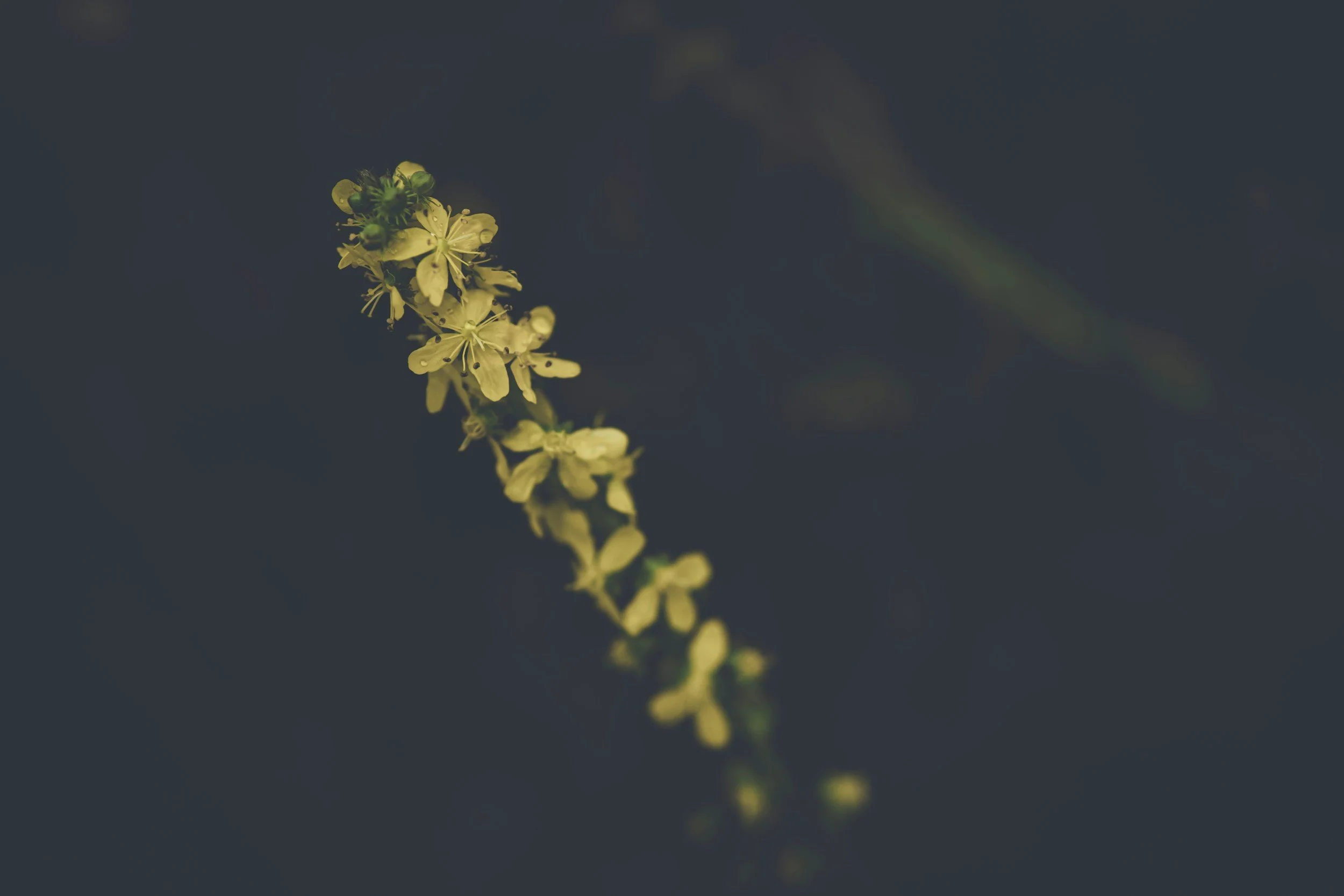
Flower essences are gentle, non-toxic remedies used to support emotional and mental wellbeing. They are not used to treat disease directly, but to help address emotional states and patterns that can influence how a person copes, responds, and recovers over time.
While subtle in nature, flower essences have a long history of use across many cultures and continue to be used today as part of holistic and integrative care.
A brief history
The use of flowers for emotional and psychological support dates back thousands of years. Records of their use appear in Ancient Egypt, Indigenous healing traditions, and early European medicine. In the Western tradition, flower essence therapy was most clearly systematised in the 1930s by Edward Bach, a British physician and bacteriologist.
Dr Bach believed that unresolved emotional states could influence physical health and recovery. He developed a system of 38 flower remedies, each associated with particular emotional patterns, which are still widely used today.
How flower essences are made
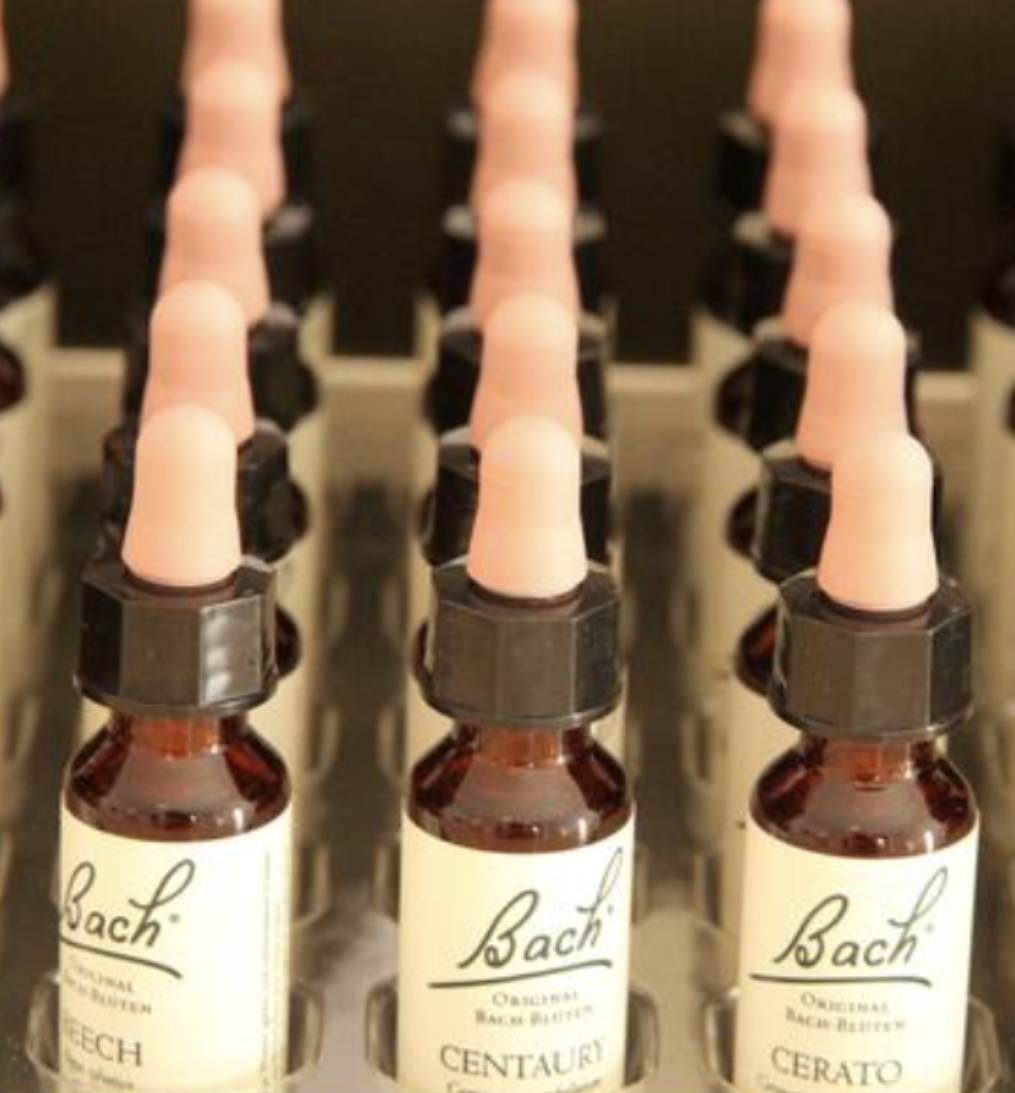
Flower essences are not herbal extracts or essential oils. They contain no measurable chemical constituents from the plant itself. Instead, they are prepared by placing fresh flowers in water and allowing their qualities to be gently transferred through sunlight or other traditional methods. The resulting liquid is then diluted and preserved.
Because of this, flower essences are considered extremely safe, suitable for all ages and can be used alongside other treatments without known interactions.
How flower essences are used
Flower essences are used to support emotional balance, resilience and self-regulation. They are often included when emotional stress, overwhelm, grief, anxiety or long-standing patterns are affecting wellbeing.
They may be used to support:
Stress and emotional overload
Anxiety, fear, or low mood
Grief and life transitions
Sleep disturbances linked to emotional strain
Confidence, focus, and emotional resilience
Children and animals who require very gentle support
Responses vary. Some people notice subtle shifts quickly, while others experience a gradual unfolding over days or weeks.
Flower essences in practice
In practice, flower essences are chosen based on the individual, not a diagnosis. Selection is guided by emotional themes, responses to stress and what a person is navigating in their life at that time.
They are often used alongside other supportive approaches such as lifestyle changes, bodywork, herbal medicine,or reflective practices. Flower essences do not override emotions or suppress experiences; rather, they are used to gently support awareness, balance and emotional processing.
Safety and suitability
Flower essences are considered very low-risk and are suitable for adults, children, babies and animals. They can be taken internally or used externally and do not interfere with conventional medications.
As with all forms of supportive care, they are not intended to replace medical treatment, but to complement it where appropriate.
A gentle form of support
Flower essences are not about forcing change or fixing emotions. They offer subtle support for people who feel emotionally stuck, overwhelmed, or out of balance, helping create the conditions for steadier emotional wellbeing over time.
Frequently Asked Questions
-
Fresh flowers are placed in spring water and exposed to sunlight for a period of time. The water is then preserved, usually with alcohol (there are alcohol free options available also) and diluted into stock and dosage bottles. The final product contains no measurable plant material, which is why they’re classified as energetic rather than herbal medicines.
-
Flower essences are considered an energetic preparation rather than a biochemical one. They’re made by imprinting the energetic pattern of a flower into water, traditionally through sunlight exposure. They’re not designed to act through chemistry, but through subtle regulatory effects on emotional and stress patterns.
-
It’s true that large-scale clinical trials on flower essences are limited. It’s also worth remembering that clinical trials are a relatively recent way of evaluating therapies. While they’re often treated as the gold standard, they don’t capture everything, particularly when it comes to subtle, individual, or emotional experiences.
Flower essences have a long history of clinical and anecdotal use, with consistent observations made by practitioners and individuals over decades. They’re not prescribed as evidence-based medical treatments, but as a gentle, supportive tool, especially where emotional patterns and stress responses are involved. In holistic practice, both research and lived clinical experience are taken into account.
-
Placebo is often dismissed as “nothing,” yet we now know that expectation, perception and nervous system regulation can produce real physiological effects. It’s possible for flower essences to work in this same interface between the mind, nervous system and emotional regulation, rather than acting biochemically.
Where the placebo argument becomes less convincing is in cases where clear responses are seen in babies and young children, particularly infants, who have no concept of treatment expectation. Practitioners frequently observe changes in emotional settling, sleep or regulation in these groups, which raises reasonable questions about whether placebo alone explains their effects.
-
Energy medicine has earned a bad reputation over the years and is often dismissed as vague or unscientific. In reality, energy, frequency and vibration are fundamental aspects of biology and physics. The human heart generates an electrical current, the nervous system communicates through electrical and chemical signals and the body produces measurable electromagnetic activity.
Beyond the body itself, research into grounding, circadian rhythms and environmental frequency is continuing to expand. Energetic medicine simply works with these regulatory layers of the body, particularly where stress, emotion and adaptation are involved. It doesn’t replace medical science, but sits alongside it, offering another way of understanding how the body responds and rebalances.
-
No. Flower essences are optional and they’re never used as a replacement for medical care or necessary treatment. If they don’t feel aligned for you, they don’t need to be part of your care at all.