
iridology
Iridology is a non-invasive assessment tool used to observe the iris—the coloured part of the eye—to gain insight into a person’s constitutional strengths, inherited tendencies, and patterns of stress within the body.
Rather than diagnosing disease, iridology is used to build a broader picture of how the body functions, adapts, and responds over time. It offers clues about areas that may require additional support, long before symptoms become pronounced.
How iridology is used
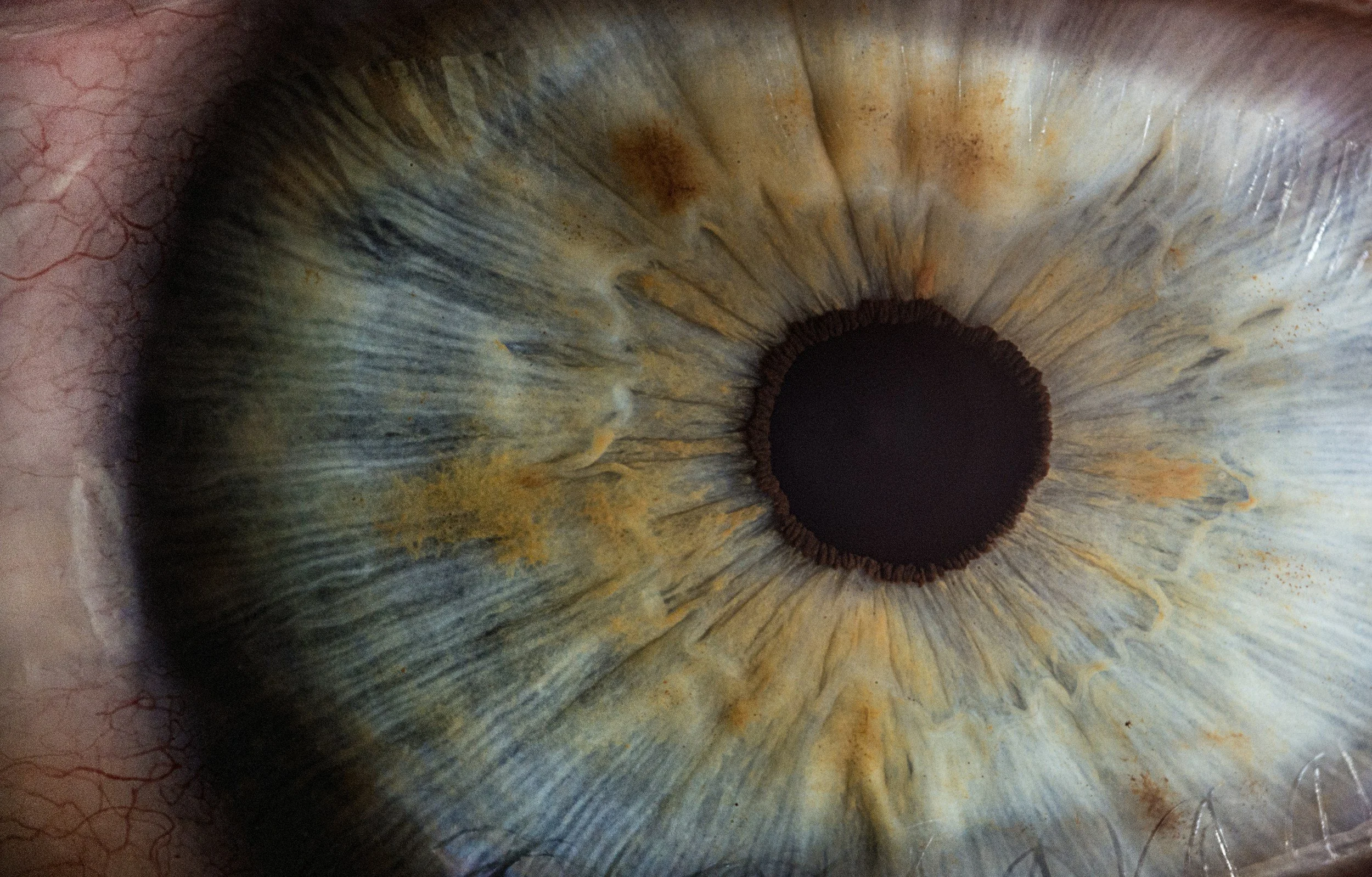
The iris is understood as a detailed map of the body. Different zones of the iris correspond with organs, tissues, and systems, allowing patterns within the eye to reflect how those areas may be functioning.
This approach has been shaped largely by the work of Bernard Jensen and Dorothy Hall, who emphasised iridology as a constitutional and preventative tool rather than a diagnostic one.
Iridology is used alongside case history, symptoms and other assessments to inform a personalised and whole-person approach to care.
What iridology can reveal
Iridology may help identify:
Inherited constitutional tendencies
Areas of relative strength or weakness
Patterns of stress and nervous system load
Digestive, liver, lymphatic or eliminative tendencies
How the body responds to long-term strain or depletion
For example, certain fibre patterns may reflect tissue resilience, while markings such as nerve rings may suggest prolonged stress or heightened nervous system reactivity. Pigmentation and colour variations can point toward metabolic or detoxification patterns rather than specific conditions.
A constitutional perspective
Iridology works from the understanding that people are born with different constitutional blueprints. These tendencies do not determine outcomes, but they can influence how a person responds to stress, illness, diet and lifestyle over time.
By recognising these patterns early, support can be tailored toward prevention, resilience and long-term wellbeing rather than symptom suppression.
What iridology does not do
Iridology does not diagnose disease, predict illness or replace medical testing. It is not used to name conditions or make medical claims.
Instead, it functions as an observational tool—one piece of a broader clinical picture—helping guide questions, priorities and supportive strategies.
How iridology fits into care
Iridology is used as part of a comprehensive consultation and may inform:
Nutritional and dietary support
Herbal prescriptions
Lifestyle and stress-management strategies
Long-term wellness planning
It is particularly useful for people interested in preventative care, understanding inherited tendencies or exploring why certain patterns repeat despite treatment.
If you are curious about iridology, watch this short video here.
Frequently Asked Questions
-
Iridology is not used as a diagnostic tool in my practice. I use it as an observational framework to understand constitutional tendencies and stress patterns. It’s one piece of information, not a standalone method, and it’s always considered alongside clinical history, symptoms and evidence-based care.
-
Photographs of the iris are taken and examined for colour, fibre density, markings, and patterns. These are interpreted according to traditional iridology maps, which are thought to reflect inherited traits and areas of relative strength or vulnerability, not disease.
-
Iridology is based on the idea that the nervous system and connective tissue patterns are reflected in the iris. From this perspective, the iris may show how the body responds to stress over time, rather than what condition a person has.
-
No. Iridology is completely optional. Some people find it helpful, others prefer not to use it at all. Your care does not depend on iridology being included.
-
No. Iridology does not replace pathology, imaging, or medical assessment. If anything, it may highlight areas where further investigation could be useful, but it never overrides medical findings.
-
Like many traditional assessment tools, iridology sits outside conventional biomedical models. Some practitioners find it useful as an additional lens when used carefully, transparently and without making claims it cannot support.