
massage
Massage has been used for thousands of years as a natural way to support the body, ease tension and restore balance. Across cultures and generations, it has been valued not as a luxury, but as a practical way to help the body recover from physical strain, emotional stress and the demands of daily life.
Whole body massage is designed to support the whole system. It encourages the body to shift out of a stress-driven state and into one where rest, repair and regulation can occur naturally.
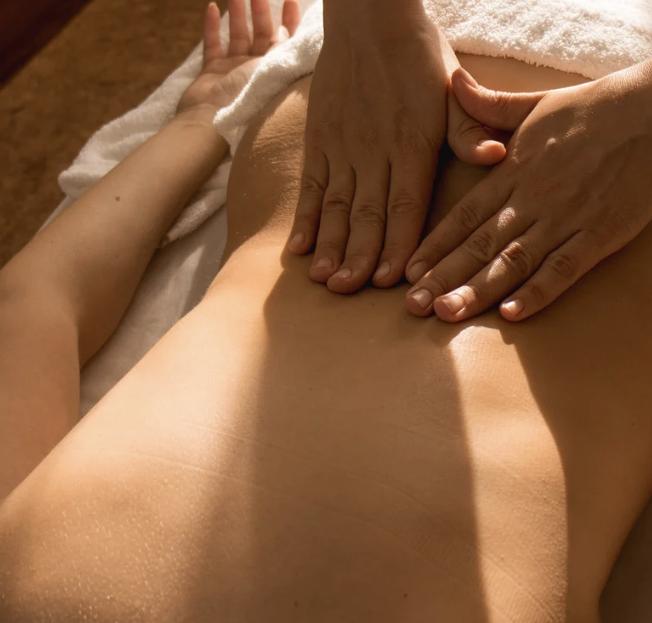
Whole body massage is a full-body treatment focused on calming the nervous system and gently easing muscular tension. The techniques used are slow, rhythmic and flowing, with consistent pressure designed to support circulation and relaxation rather than target deep tissue or corrective work.
Sessions are unhurried, allowing the body time to settle. The aim is not to “fix” anything in isolation, but to help the body feel safe enough to let go of held tension, both physically and mentally.
While many people find relaxation massage deeply calming, it is not simply about comfort. As the body relaxes, it naturally releases chemicals such as endorphins, serotonin and oxytocin, which support mood, stress regulation and overall wellbeing.
What can massage support?
Relaxation massage can be helpful for a wide range of people and situations, including:
Ongoing stress or feeling constantly “wired”
Muscle tension and fatigue
Poor sleep or difficulty switching off
Anxiety or low mood
Recovery during periods of emotional strain
General feelings of overwhelm or burnout
Because the body functions as an integrated whole, supporting relaxation and circulation can have flow-on effects across many systems, including digestion, immunity and hormonal balance.
when is relaxation massage useful?
Relaxation massage can be particularly helpful during periods of high stress, emotional strain, fatigue or poor sleep. When the body is under constant stress, normal healing and repair processes are inhibited. By supporting deep relaxation, massage can help restore the conditions the body needs to recover.
For some people, relaxation massage is also an important first step before other forms of care, especially when tension or overwhelm is preventing the body from responding well to treatment.
Please note: massage is only offered to women.
To book, please contact me directly on 0451413262 or email cedarnaturalhealth@hotmail.com
Frequently Asked Questions
-
For a full-body massage, most people undress to their underwear, but you only undress to the level you’re comfortable with. You’re always covered with appropriate draping, and only the area being worked on is uncovered at any time. Modesty and comfort come first.
For short massage sessions, you will mostly remain fully clothed and just uncover the body part to be worked on such as arms, legs or shoulders. -
Everything is tailored to make this experience as relaxing as possible. We discuss everything along the way and your thoughts and feelings are important and valid.
-
No. Massage doesn’t need to be painful to be helpful. While some areas may feel tender, effective massage works within your body’s tolerance, not against it. Pain often causes the body to tense, which can be counterproductive.
-
Massage can be supportive for general muscle tension, stress, and nervous system regulation, but it’s not appropriate for diagnosing or treating structural injuries such as slipped discs, acute muscle tears, or serious musculoskeletal conditions. If you’re dealing with that kind of issue, I can refer you on for osteopathy, acupunture, remedial massage or other modalities.
Massage can be supportive for general muscle tension and stress, but it’s not appropriate for treating structural injuries such as slipped discs or acute muscle tears. These types of issues should be assessed by a GP, physiotherapist, or another appropriate healthcare professional first.
In situations where direct massage isn’t suitable, reflexology may be a better option. Because it works through points on the feet, areas such as the spine, neck, shoulders and nervous system can be supported gently without working directly on injured tissue.
-
Massage can support circulation, muscle recovery, nervous system regulation and stress reduction. While relaxation is part of it, many people use massage as ongoing support for physical tension, chronic stress or recovery from strain.
-
Massage can support circulation, muscle recovery, nervous system regulation and stress reduction. While relaxation is part of it, many people use massage as ongoing support for physical tension, chronic stress or recovery from strain.