
reflexology
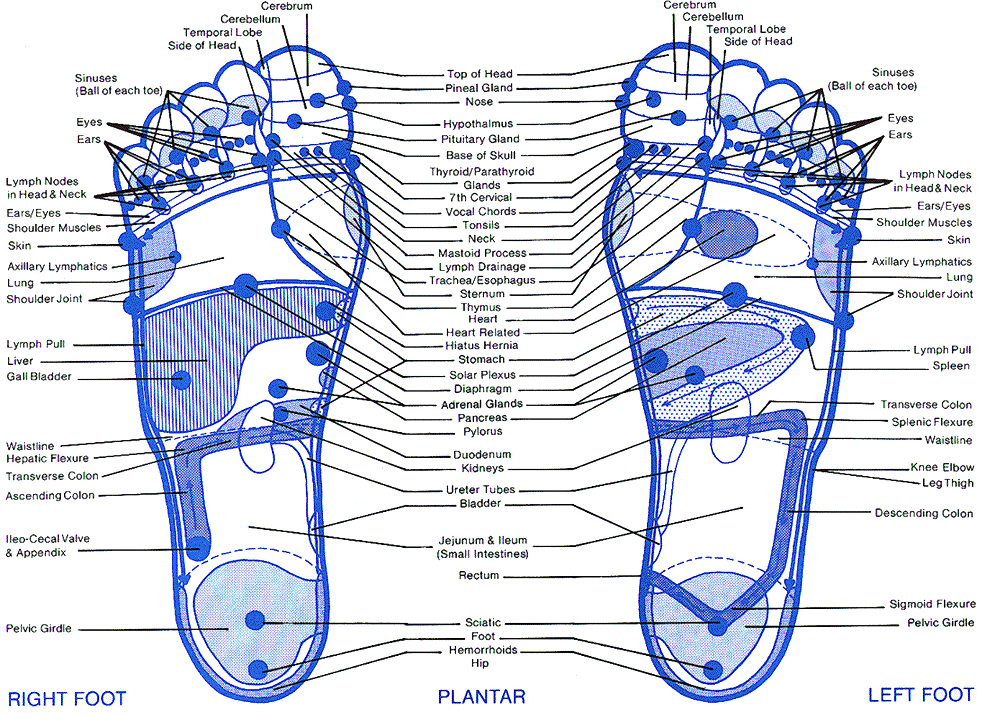
Reflexology is a structured, system-based therapy that uses the feet as a map of the whole body. Specific reflex points correspond to organs, glands, and body systems, reflecting patterns of tension, congestion or imbalance within the body.
Unlike massage, reflexology is not primarily aimed at relaxation, although many people do find it calming. Its purpose is therapeutic: to support the body’s internal regulation and encourage balance across multiple systems.
What is reflexology?
Reflexology involves applying targeted pressure to specific reflex points on the feet. These points relate to different areas of the body and are worked intentionally based on your individual health picture.
The feet are used as an access point to observe and influence how the body is functioning as a whole. Areas of sensitivity, texture or tenderness can reflect underlying stress or imbalance, helping guide treatment rather than relying on symptoms alone.
Reflexology is gentle, non-invasive, and works alongside the body rather than forcing change.
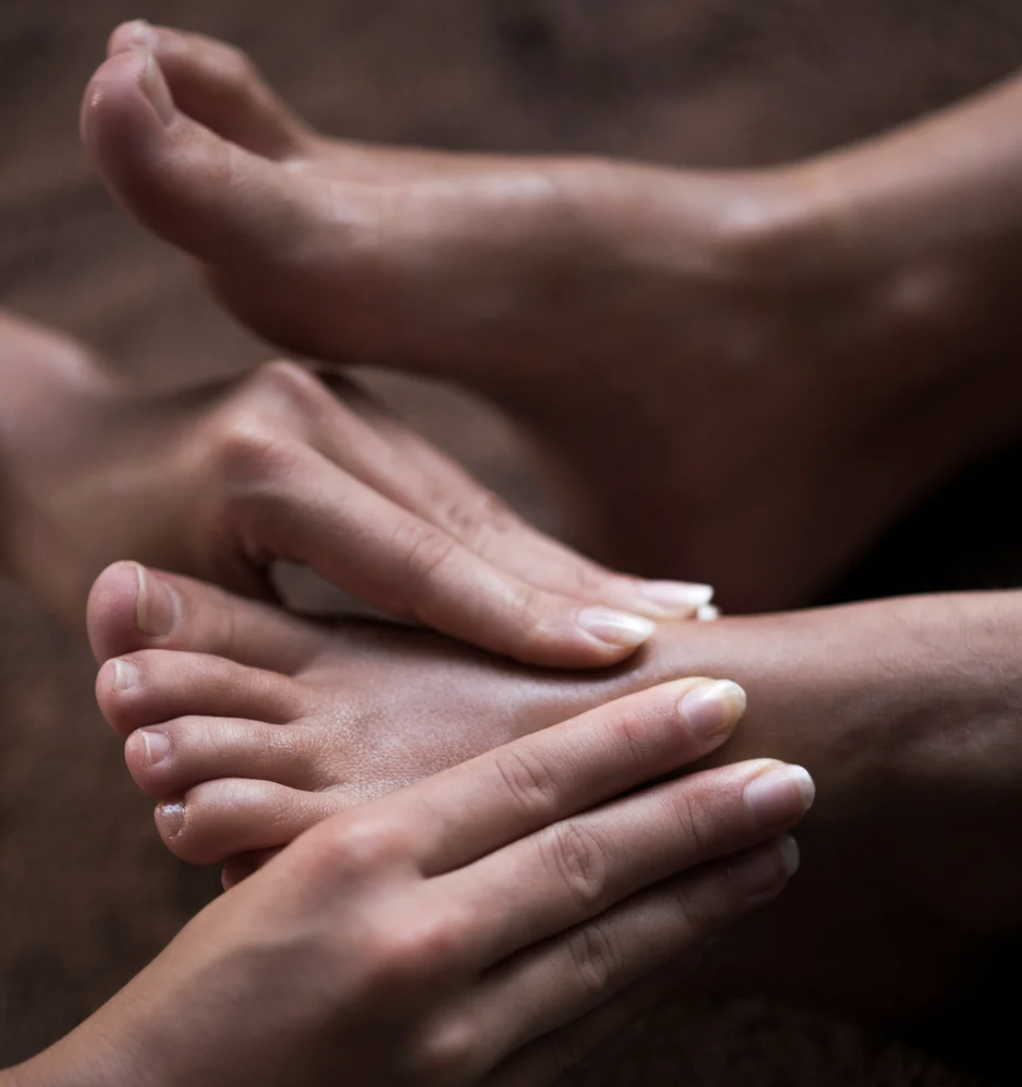
how is reflexology used therapeutically?
Reflexology is used to support a wide range of health concerns by working with the body’s own regulatory systems. Treatment is individualised and guided by your history, current health concerns and overall constitution.
Reflexology may be used to support:
Hormonal and reproductive health
Digestive and metabolic conditions, including diabetes
Circulation and lymphatic support
Stress and nervous system regulation
Chronic tension or fatigue
Pain and inflammatory conditions
Sleep and emotional wellbeing
Rather than targeting one isolated issue, reflexology looks at how different systems are interacting and where support may be needed to restore balance.
How reflexology differs from massage
Massage works primarily with muscles and soft tissue to ease tension and support relaxation. Reflexology, by contrast, works with reflex points linked to internal systems and organs. While both can be complementary, reflexology is used more as a therapeutic tool to support systemic balance rather than muscular release alone.
Is reflexology suitable for you?
Reflexology is suitable for people of all ages and can be used safely alongside conventional medical care. It does not diagnose or replace medical treatment, but can be a supportive therapy for those managing chronic conditions, stress or ongoing health concerns.
There may be times when reflexology needs to be modified or postponed, such as with certain circulatory conditions, infections or during specific stages of pregnancy. These are discussed during your consultation.
Please note: this treatment is only offered to women.
To book, please contact me directly on 0451413262 or email cedarnaturalhealth@hotmail.com
Frequently Asked Questions
-
Reflexology isn’t a treatment aimed at fixing a diagnosis. It works by stimulating the nervous system through specific pressure points, which can encourage relaxation, circulation and regulation. Many people notice changes in stress levels, sleep, digestion or pain patterns, even if science hasn’t fully mapped every mechanism yet.
-
Reflexology is a formally taught therapy that requires structured training, practical assessment and professional insurance. I’m fully qualified and insured and trained to assess contraindications, safety considerations and when reflexology is or isn’t appropriate. It’s a regulated modality that requires proper training and professional accountability.
-
The feet contain dense nerve endings and connective tissue linked to the central nervous system. Reflexology works through neurological and fascial pathways rather than energy alone. Stimulation in one area can influence responses elsewhere in the body, particularly through nervous system signalling.
-
While it can feel relaxing, reflexology is more targeted than a massage. Specific points are worked deliberately, often in sequences, based on how the body is presenting. The intention is regulation and support, not simply relaxation.
-
No. Reflexology is usually done fully clothed, with only the feet and sometimes the lower legs exposed. Comfort and modesty are always prioritised.
-
People report a wide range of responses, from deep relaxation to emotional release, heat, tingling or increased awareness of certain areas in the body. These responses are individual and usually temporary.